Walls Finished Smooth Before Paint Ever Goes On
Drywall repair and installation in Old Fort for remodels, additions, and older homes where interior surfaces need to meet current finishing standards
Remodeling work, room additions, and older homes all produce the same problem: interior wall surfaces that are either missing entirely, damaged, or finished in a way that shows through any paint you put on them. Drywall that was hung without enough compound at the seams, repaired with mismatched texture, or damaged by moisture or impact creates walls that broadcast every imperfection once a fresh coat of paint is applied. Nolan Construction LLC handles both new drywall installation and repair work on residential properties across Old Fort, finishing surfaces to a standard where paint goes on clean and the wall reads as flat and continuous.
For new installation, sheets are hung, taped at every seam and corner, and mudded in multiple coats with sanding between each layer. That multi-coat process is how flat seams are achieved—each coat of compound shrinks slightly as it dries, and sanding between coats levels the surface progressively so the final pass leaves nothing that shows through primer. Repair work follows the same finishing sequence on a smaller scale: patching holes or damaged areas, taping and mudding to blend with the surrounding wall, and sanding to match the existing surface texture before it is ready for paint.
To review the scope of drywall work your project requires—whether new installation, repair, or both—arrange a walk-through with Nolan Construction LLC at (828) 803-3459.
How Drywall Finishing Is Done Correctly
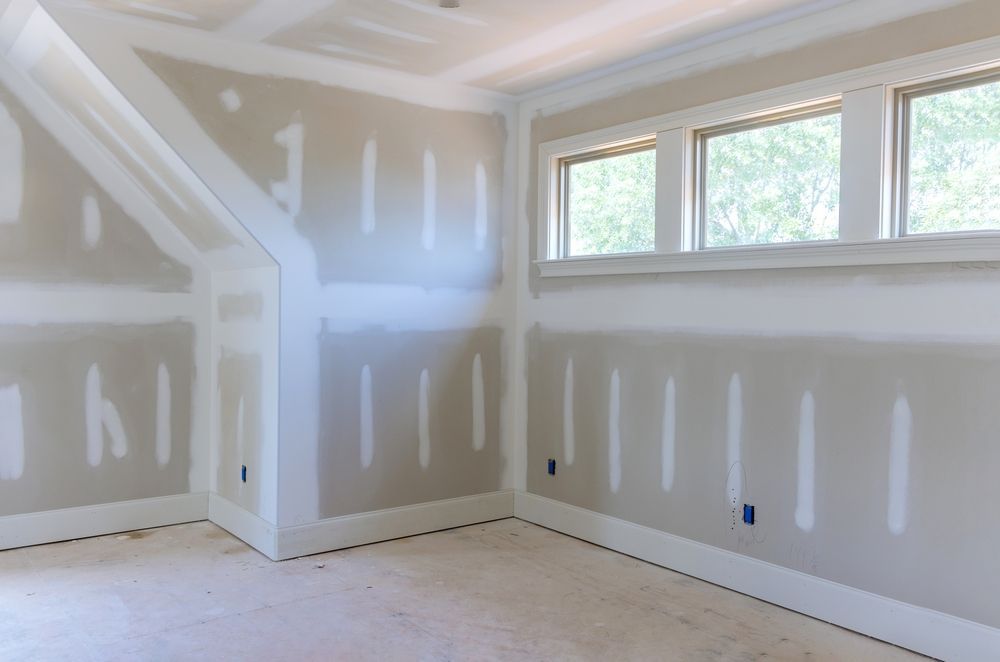
The difference between a drywall finish that holds up and one that fails at the seams comes down to joint compound application and drying time. Compound applied too thick in a single coat shrinks unevenly and cracks as it dries. Sanding without allowing full dryness between coats tears the paper face of the tape or drags wet compound across the surface. The correct approach is multiple thin coats—each one feathered wider than the last to blend the seam into the surrounding panel—with full drying and thorough sanding before the next coat is applied.
When the finishing sequence is completed correctly, the wall surface passes the critical light test: holding a work light at a low angle to the finished, primed surface should show no visible seams, ridges, or tool marks. Nolan Construction finishes drywall with that standard in mind, because a surface that passes a raking-light inspection before paint is applied will not show problems after the homeowner's furniture is back in place and light hits the walls through windows at different angles through the day.
Repairs in homes that have had previous drywall work done introduce a matching challenge—existing texture, whether orange peel, skip trowel, or smooth, needs to be replicated on the patched area before paint covers it. A patch finished to a smooth level on a wall with skip trowel texture will read as a flat spot once paint is applied, regardless of how carefully the compound was feathered. Identifying the existing texture type and replicating it is part of the repair process, not an optional step.
What Property Owners Ask About the Work
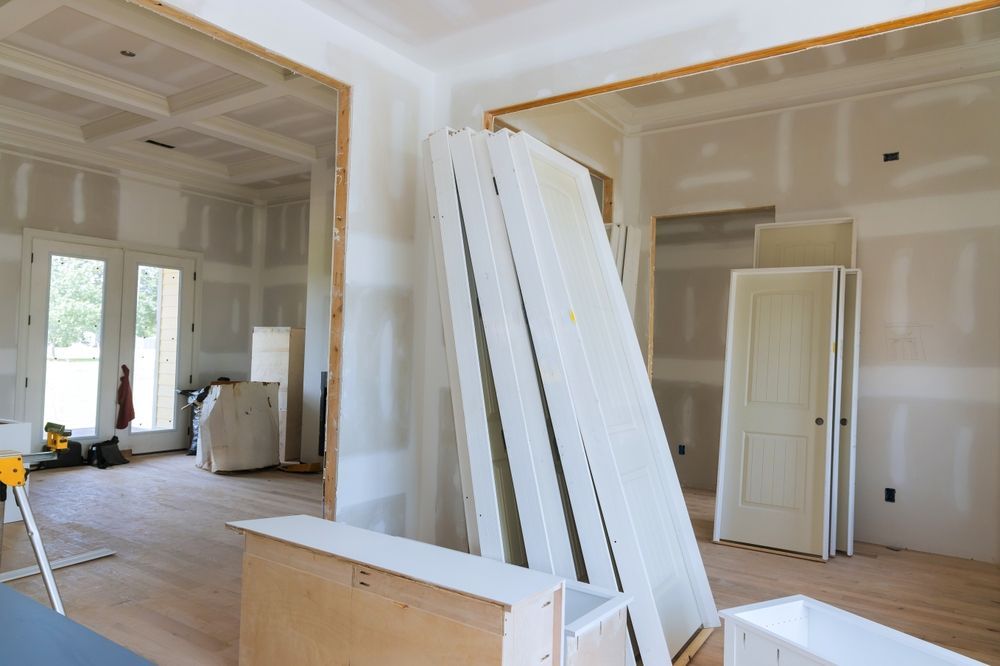
Drywall installation and repair raise specific questions about finishing sequence, what distinguishes a proper repair from one that shows through paint, and how additions and remodels in older homes create particular drywall considerations. The following covers the process decisions that determine how the finished surface looks.
How many coats of joint compound are needed for a proper finish?
Standard practice is three coats: a tape coat that embeds the tape and fills the seam, a second coat that builds and feathers the joint wider, and a finish coat that levels and smooths. Each coat is sanded after drying. Fewer coats produce seams that read as ridges once paint is applied, particularly under indirect light.
What causes drywall seams to crack after a remodel or addition?
Cracking at seams typically means the joint compound was applied too thick in a single coat and shrank unevenly as it dried, the tape was not fully embedded in the first coat and has lifted slightly, or the structure itself moved before the compound fully cured. In additions attached to older homes in this area, differential movement between old and new framing is a specific cause of seam cracking that requires flexible finishing compound at those joints.
Why does drywall in older home remodels sometimes need partial or full replacement rather than repair?
Homes built before the 1980s may have plaster walls rather than drywall, or may have drywall that has absorbed moisture over decades to the point where the paper face and gypsum core are compromised. Patching a panel that is soft or de-laminating at the core does not produce a stable base for new compound, and the repair will fail in the same location again.
How is a drywall patch in an existing wall made to match the surface around it?
The patch is floated with compound and sanded to match the profile of the surrounding wall, then texture is applied to replicate the existing finish. After priming the patch area, a final check under raking light confirms the patch blends before any topcoat paint is applied.
What is the correct approach for hanging drywall in a room addition attached to an older structure?
Fastening to framing that is part of the existing structure requires confirming that the framing is plumb and true before hanging, since older framing can have settled out of alignment. Sheets hung on framing that is out of plane will show crowns and dips in the finished surface that compound cannot fully conceal.
Nolan Construction LLC completes drywall installation and repair work on residential additions, remodels, and older homes where interior surfaces need to be finished to a level that holds up under paint and inspection. Nolan Construction also handles drywall work in Morganton, Marion, Black Mountain, Lake Lure, and Blowing Rock. Call (828) 803-3459 to discuss your project and what the scope of finishing or repair involves.